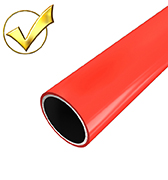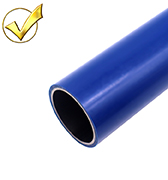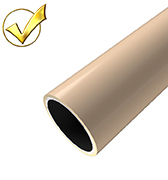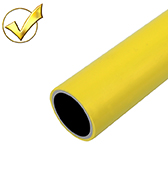
| Place of origin | Guangdong |
| Model number | YSC-1 |
| Connection | Female and male |
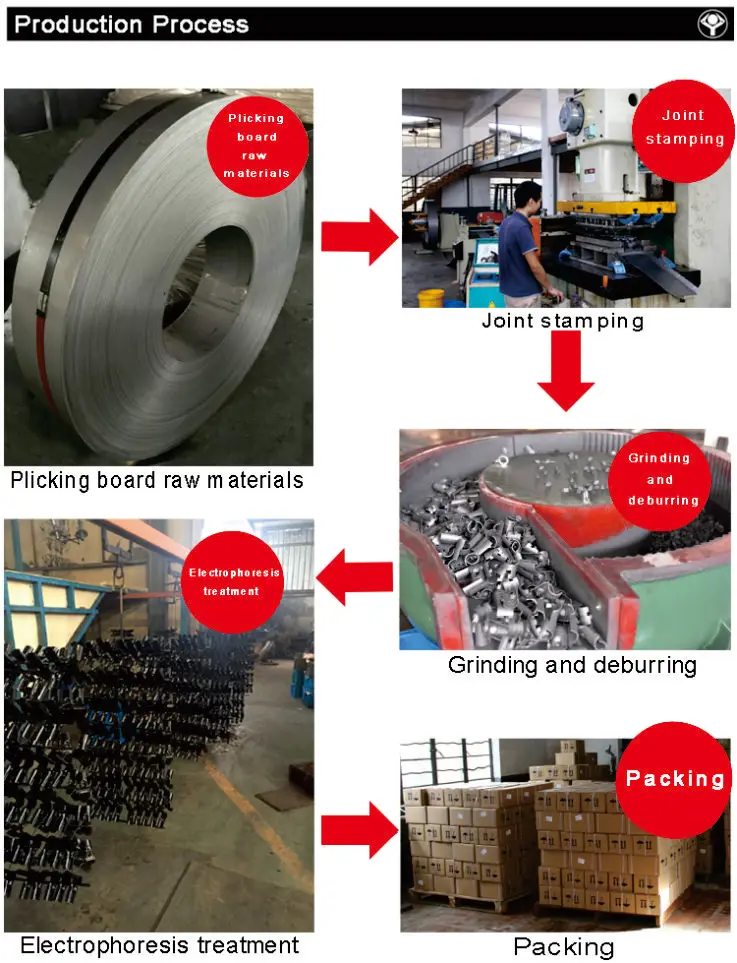
| Technic | Casting |
| Color | Silver |
| Surface treatment | Hot Dipped Galvanized |
| Certificate | ISO 9001:2008 |
| Packing | Carton |
| Application | Industry |
| Feature | Easy Installation |

What to Know Before You Order
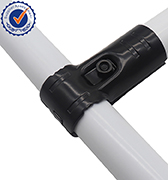
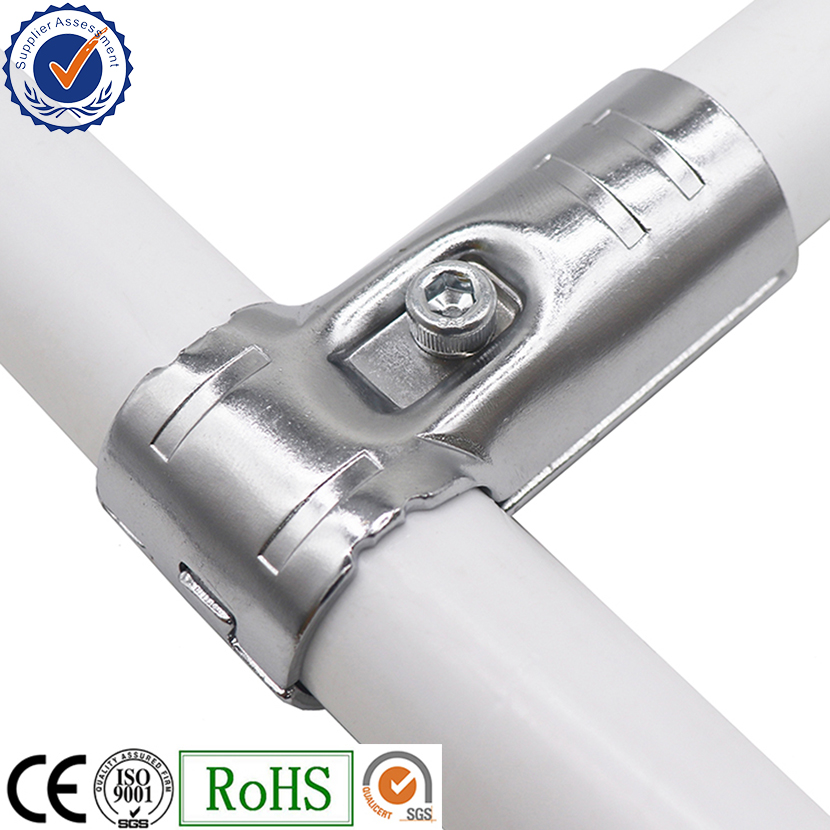
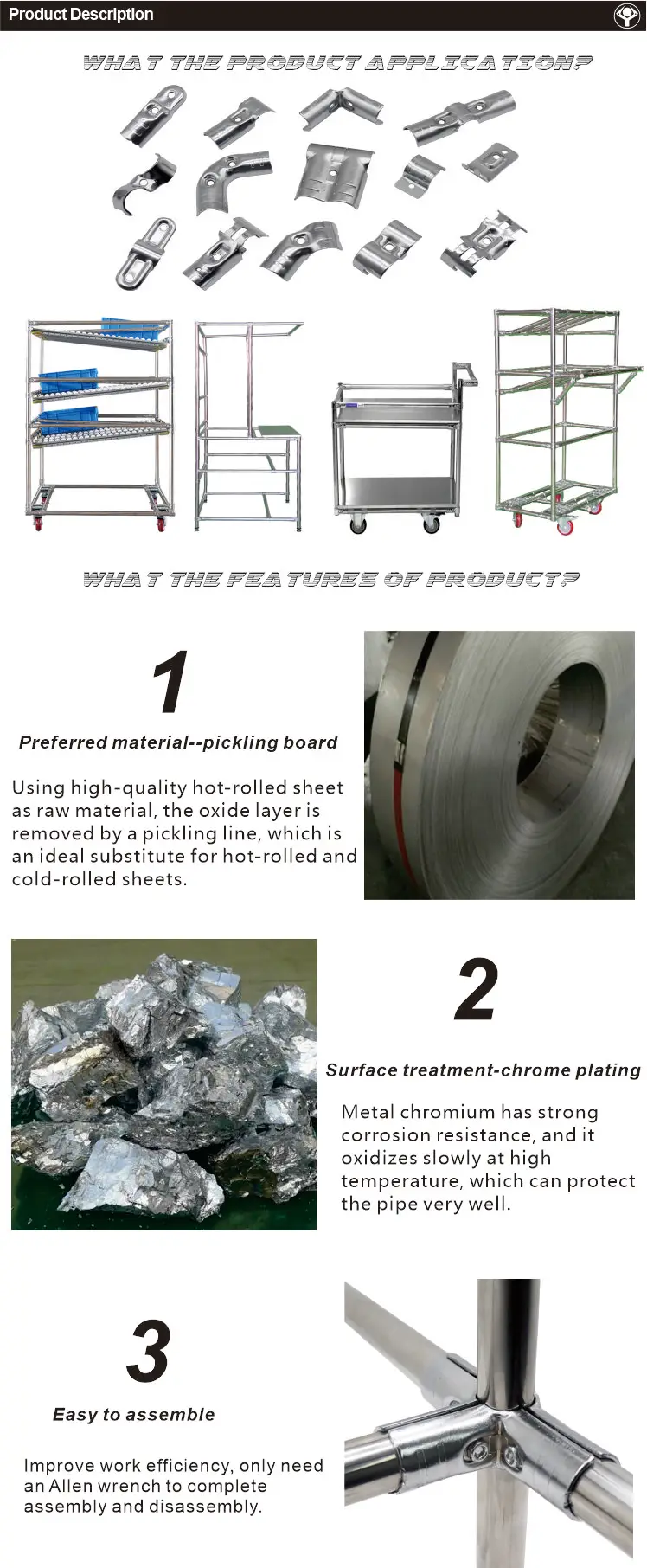
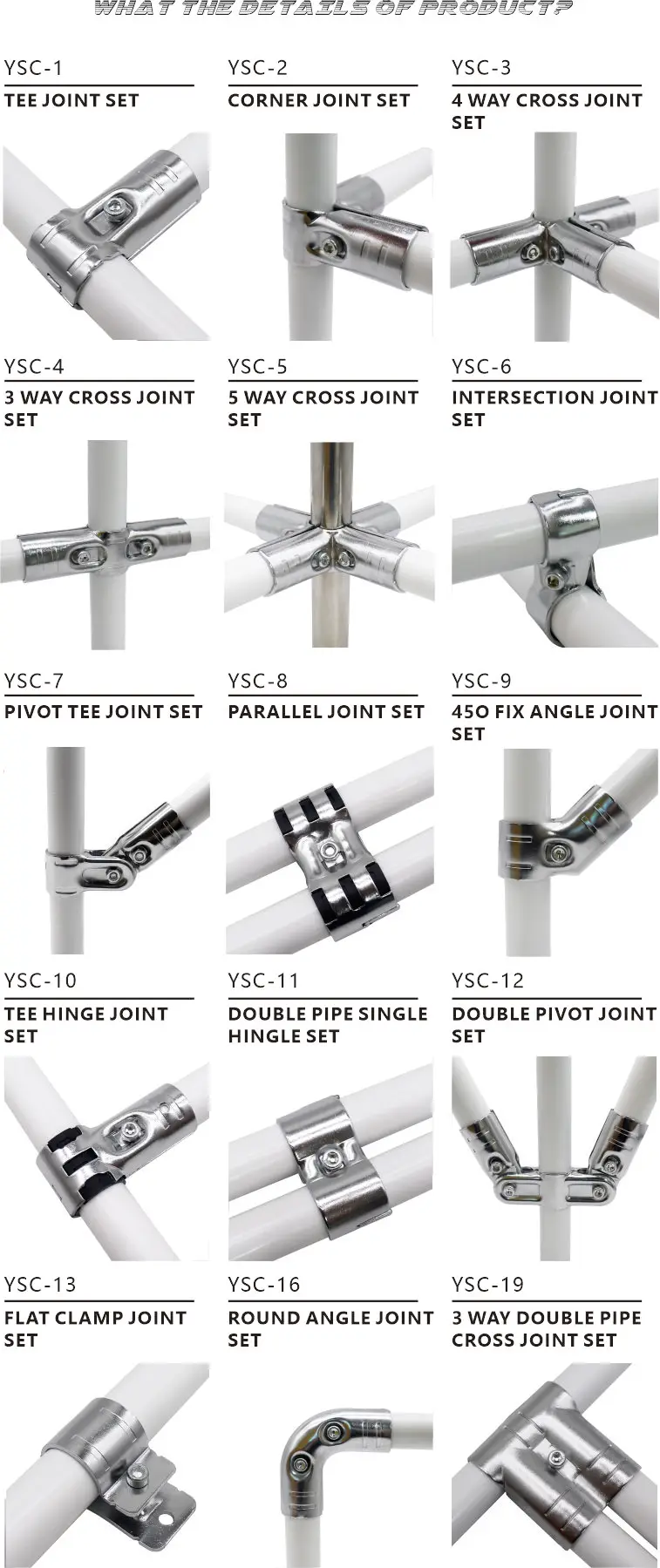
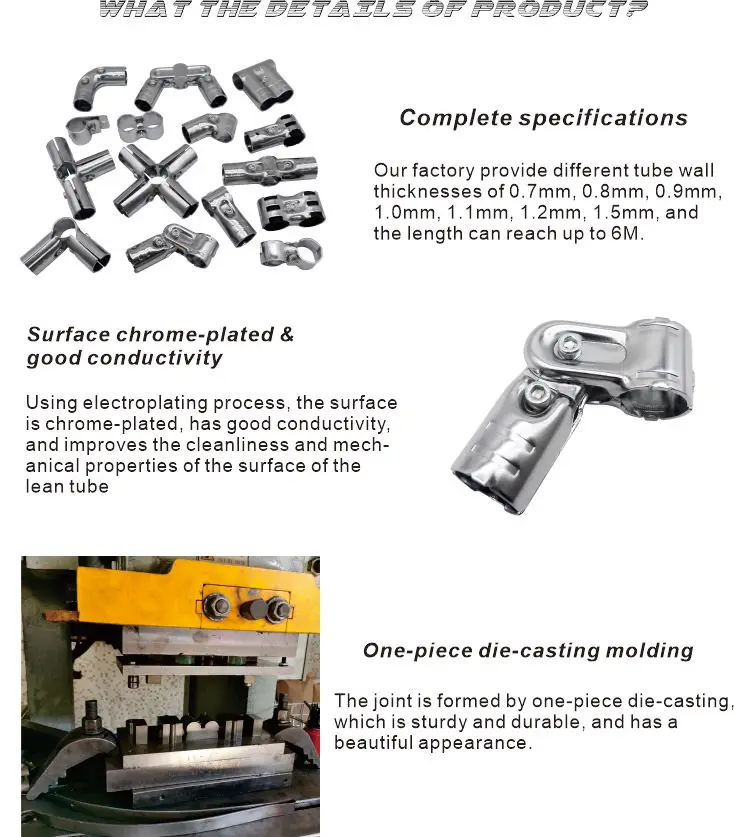
YSC-1 Chromed Metal Joint belongs to the family of cast and pressed fittings that hold a 28 mm tube frame together. Individually it is a small casting with one bolt; collectively these parts decide whether a workstation behaves as one rigid structure or as a set of tubes leaning against each other.
Points that decide whether it works
- Confirm the pipe you are joining: 28 mm OD is the standard, but wall thickness changes how much clamping travel the joint has. Thin-wall and thick-wall tube are not always interchangeable in the same fitting.
- Where the frame will be rebuilt, check that the joint is rated for multiple assembly cycles. Clamping force that fades after the second build turns a modular system into a consumable one.
- Surface finish is a corrosion decision. Zinc plating covers general workshop conditions; chromed or electrophoresed finishes are for visible frames and light washdown; stainless is for humidity, washdown and coastal freight.
- Ask for the ESD version explicitly if the cell is grounded. A standard painted joint sitting in an otherwise dissipative workstation interrupts the path at the most inconvenient place.
- Joint halves are tightened to clamp, not to pin. The structure holds because friction between the coating and the casting exceeds the load trying to rotate the tube — which makes bolt torque a structural specification, not a preference.
Frequently Asked Questions
What torque should I use?
Typically 8 to 10 Nm for an M6 bolt in this family, then again after 24 to 48 hours once the coating has settled. Use a wrench, not feel; the difference between two fitters is larger than most people believe.
Can it be reused after dismantling?
Mechanically yes, but clamping force depends on the coating recovering its thickness. After two or three assemblies the joint needs more torque to hold the same load, so treat reuse as a maintenance decision rather than a free option.
Do you supply an ESD version?
Yes. The dissipative version is specified where the workstation is grounded, and it needs to be ordered explicitly rather than assumed — mixing standard and dissipative joints in one frame breaks the path.